Empowering Lives: Strategies for Wellness and Support in the Fight Against Cancer
Navigating the journey through cancer can feel like sailing into uncharted waters. Each wave brings a mixture of fear, hope, and uncertainty, especially when facing a diagnosis that involves malignant diseases such as carcinoma. The heart-wrenching battles against tumors require not just medical treatments like chemotherapy, radiation therapy, and immunotherapy but also a holistic approach to wellness and support. In this blog, we delve into the integral strategies that can empower those living with cancer, ensuring they don’t fight alone but rather harness the strength of community support and patient advocacy.
The world of oncology is not solely defined by the biology of the disease; it is intricately linked with the emotional and psychological well-being of the individual. Cancer isn’t just a clinical term; it's a life-altering experience. As we explore various avenues of healthcare, one must ask: How can we build resilience in the face of adversity? Incorporating alternative therapies, engaging with support groups, and focusing on nutrition for cancer patients can forge a path to healing. These aspects play a critical role in fostering an environment where patients continue to thrive despite their conditions. Remember, as the saying goes, 'It’s not the years in your life that count; it’s the life in your years.'
Have you ever considered how preventive care and early detection might change the trajectory of a cancer diagnosis? Increasing disease awareness is crucial, as it can encourage proactive measures that lead to better outcomes. From routine screenings to discussions about family history, being vigilant opens doors to clinical trials and novel medical research findings. These steps allow patients to explore the latest anti-cancer strategies, further enhancing their treatment journey. After all, knowledge is power, especially in the world of health blog readers. How well are you informed?
Survivorship is more than just surviving cancer; it’s about embracing a future filled with possibilities. Palliative care often comes into play when managing the side effects of treatment, paving the way for a more compassionate approach to wellness. The focus shifts from merely prolonging life to enriching it. Engaging stories of individuals who have triumphed against the odds remind us that we have the power to write our own narratives. Seeking support services, connecting with an oncologist, and participating in support networks are all steps that encourage the rediscovery of life beyond a cancer diagnosis. What does your survivorship story look like?
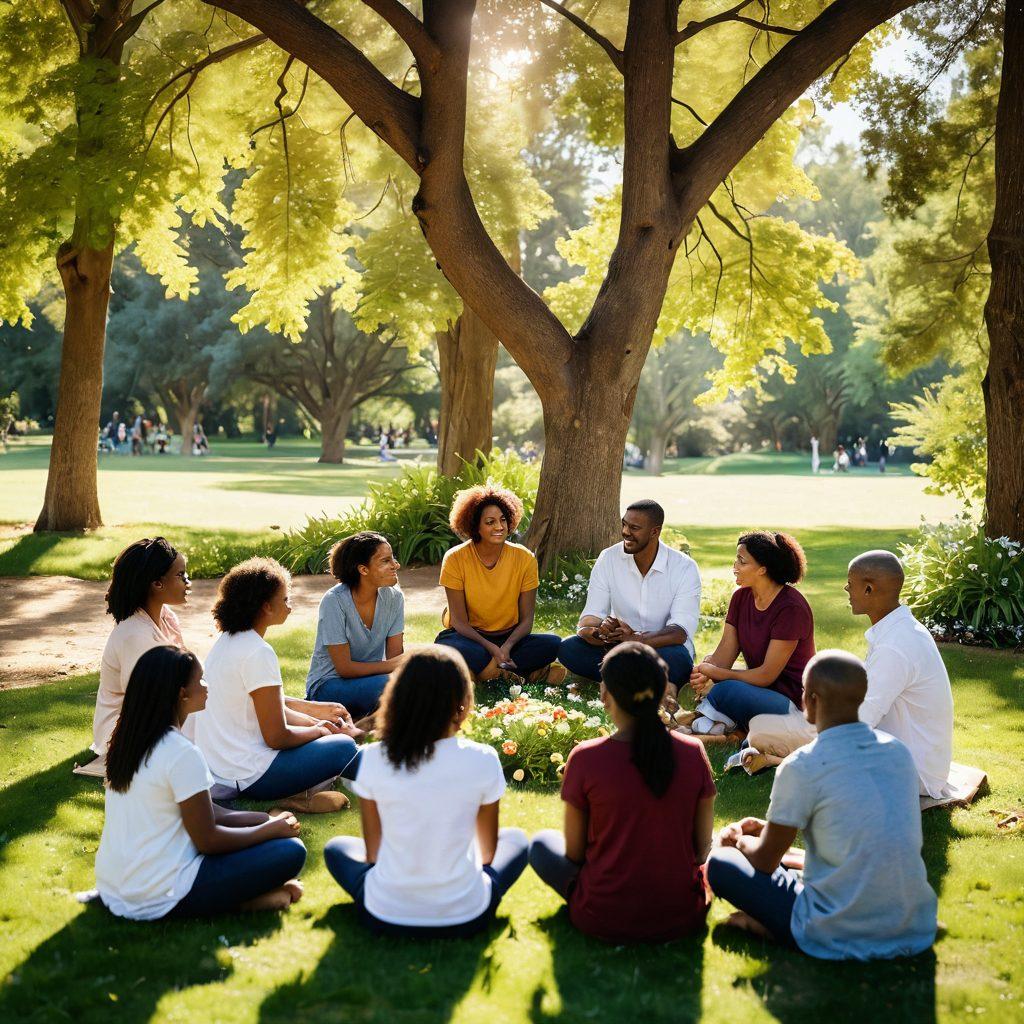
When considering holistic health for cancer patients, one must recognize the power of community. Whether it’s joining a local support group or accessing resources from health tips shared in medical news, each connection leads to a sense of belonging. Engaging with fellow warriors fosters an environment of mutual encouragement, creating a sense of camaraderie. These shared experiences can be transformative. What if you took the first step today? How about reaching out to someone or starting the conversation about your journey? Together, we can continue pushing the boundaries of what living with cancer truly means, advocating for ourselves, and elevating the conversation around wellness in the healthcare landscape.
Empowerment Through Knowledge: Understanding Cancer Care and Patient Advocacy
In the vast realm of health and wellness, one topic often overshadows the others: cancer care. It’s a subject that brings a whirlwind of emotions and concerns, but navigating through it doesn’t have to be a solitary journey. Understanding cancer care and patient advocacy is pivotal not only for those diagnosed with carcinoma but also for their families and friends. Imagine having the knowledge that empowers you to make informed decisions about your health—what if this knowledge could help you gain control over your journey with malignant diseases?
Empowerment starts with understanding. The world of oncology is filled with complexities, from various types of tumors to a multitude of treatment options like chemotherapy, radiation therapy, and immunotherapy. Yet, knowledge isn't just power; it’s also comfort. Being educated about the medical research surrounding your particular case can lead to a more proactive approach in consultations with your oncologist and could even open doors to clinical trials that may not be on your radar. So the next time you attend a healthcare appointment, ask questions like, "What are my options? What are the latest medical innovations in cancer care?" You might be surprised by the wealth of knowledge available to you.
Patient advocacy is a crucial aspect of cancer care. It’s about being the voice that speaks up for those who may not have the strength to do so themselves. Support groups can be invaluable resources, forming a network where individuals can express fears, share experiences, and find solace in community support. As we remember the saying, "You are not alone in this fight," keep in mind that your story can inspire others while theirs can help lift you. Connecting with fellow patients and discussing anti-cancer strategies—like nutrition for cancer patients—can bring not only heightened awareness but also emotional relief.
Let’s dive into the practical side of survivorship. Living with cancer is not just about battling the disease; it’s about embracing a holistic health approach that enhances quality of life. Preventive care, early detection, and palliative care play vital roles, but so does maintaining a balanced diet and engaging in regular exercise. Integrating alternative therapies, along with traditional treatment methods, can sometimes yield the best outcomes. Ask yourself, "How can I create spaces in my life that promote wellness amidst the struggle?" It's these small, actionable commitments to oneself that build resilience and hope.
Finally, let’s circle back to the significance of disease awareness. Staying updated with credible medical news through health blogs and trusted sources helps break down barriers of ignorance and fear. It’s not just about understanding cancer care; it’s about preparing yourself and your loved ones for the road ahead. Engaging with educational materials and local events highlighting cancer advocacy boosts knowledge while also fostering community support. Remember, empowerment through knowledge isn't just a notion—it's a lifestyle choice that could very well change the narrative of living with cancer. Be the advocate for your own health and wellness; after all, knowledge is the first step toward hope.
Building Stronger Communities: The Role of Support Groups in Cancer Recovery
In the midst of a cancer battle, one might ponder, "How do I move forward?" It’s a question many ask, especially when faced with malignant diseases such as carcinoma or when a tumor diagnosis leaves them feeling isolated. The journey through oncology is undoubtedly arduous, but it can be less daunting when supported by strong community ties. This brings us to the incredible role of support groups in cancer recovery—an unheralded lifeline for many patients and their families alike. How do these groups empower individuals, and what can we learn from their collective strength?
Support groups provide not just a place to share experiences, but also a sanctuary for healing. They bring together individuals at various stages—those newly diagnosed, enduring chemotherapy, or celebrating survivorship. Imagine a gathering filled with stories of resilience and hope where members exchange health tips, strategies for palliative care, or even the latest medical news surrounding immunotherapy and radiation therapy. These discussions help to cultivate disease awareness, highlighting the importance of preventive care and early detection. In those moments, one realizes they are not alone in their struggle, and that shared understanding fuels recuperation.
But what truly distinguishes a support group from simply seeking family or friends for emotional aid? The answer lies in the power of shared experiences. Consider an individual sharing their journey through clinical trials. By doing so, they not only reassure others that they’re not alone but also provide insights into what could be beneficial for their own wellness. The stories shared can spark important conversations on topics like nutrition for cancer patients or alternative therapies, which can feel overwhelming when approached in isolation. It's these threads of dialogue that weave a supportive network encouraging patient education and advocacy.
As we dive deeper, one might ask themselves: "If I could support someone else going through cancer, how would I do it?" This reflection often leads to volunteerism and active participation within support groups. Members quickly learn that sharing their struggles offers others a roadmap through the unknown. Community support springs forth like wildflowers after a rain, and each voice contributes to a more vibrant ecosystem of care. Furthermore, this kind of engagement serves as a reminder of the power of social connection—a critical element in the fight against cancer that cannot be understated.
In conclusion, as we reflect on the role of support groups in cancer recovery, it’s essential to recognize that they are much more than gatherings; they are nurturing communities that foster survival and resilience. By embracing a holistic health approach—one that prioritizes mental, emotional, and physical wellness—while exploring innovative anti-cancer strategies, these groups exemplify strength. Whether one is living with cancer or standing beside a loved one in their battle, community support can become a beacon of hope, illuminating the path towards healing and recovery. And as we navigate the complex world of oncology, let us not forget: together, we can create a future where cancer transforms from a mere diagnosis into a story of triumph.